Real Estate Location: Why We Only Buy Corners
Corners Only
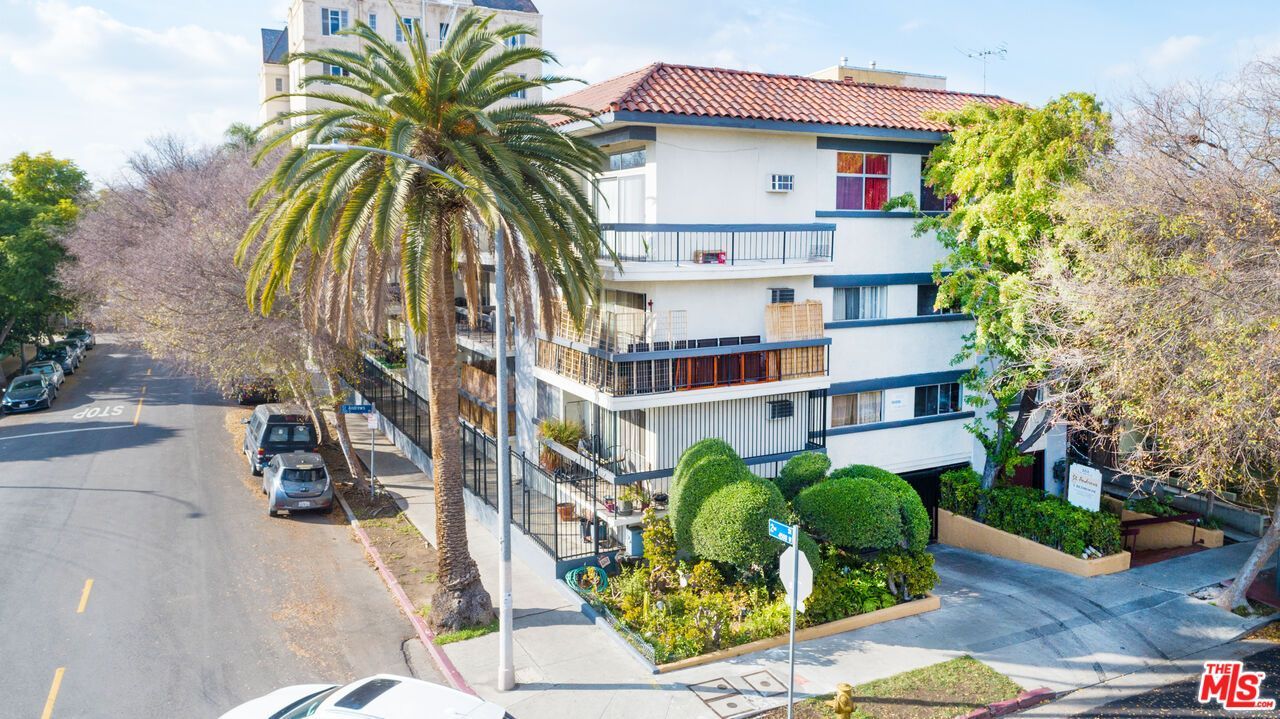
We have an acquisition rule that surprises people. We will not buy a property that does not sit on a corner.
This is not a preference. It is a discipline, and it has cost us deals. In a competitive market like Los Angeles or other urban markets, the corner-only screen rules out four out of five available properties on any given week.
We do it anyway, for reasons that compound over a twenty-year hold.
Two frontages, double the visibility
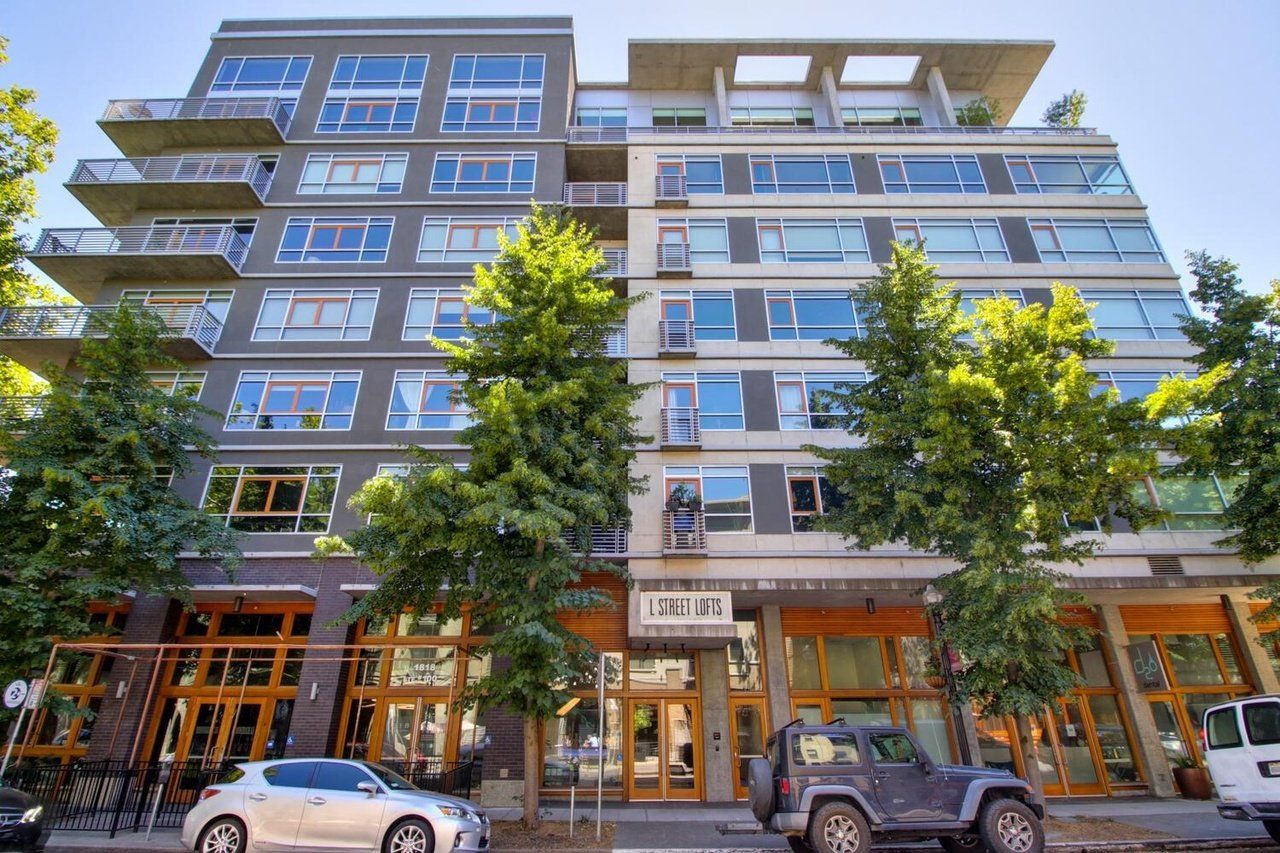
A corner property has signage and visibility on two streets instead of one. For retail tenants, this is straightforward value they pay more rent for the exposure, and their businesses run better. A better run business is more likely to make a profit which means they renew their leases. For multifamily, the visibility premium is strong, measurable in lease-up time and asking rents. Across a portfolio held for twenty years, the cumulative effect on rent roll is significant.
Two neighbors instead of four
This is the part most institutional buyers underweight. A non-corner property has neighbors on both sides and behind it. That is three property lines you do not control and three operators whose decisions affect how your asset shows to the market.
A corner property has neighbors on two sides, and one of those is across an intersection. You are visually framed by streets, not by another operator's building. If your property is bordered on each side by other operators you are very affected (in good and bad ways) by the operation, appearance and tenancy of your neighbors and thus the owner.
When the property next door is run poorly with peeling paint, trash piling up, a tenant with bad habits and worse standards. It does not just look bad. It drags your rents and lengthens your vacancy cycles. We have watched it happen to friends in the business for thirty years. You can spend a great deal of capital improving your building. You cannot improve the building next door. The corner is the simplest available form of insurance against that risk.
Operationally easier
Two frontages instead of one means more sidewalk to maintain and more street-facing landscaping. But it also means no shared interior walls, no party-line disputes about a back fence, easier access for trash and deliveries, and clearer fire-code geometry. The unit economics of running a corner property are quietly better than the alternative.
The discipline of patience
The hard part is the deal-flow consequence. If you only buy corners, you look at five times as many properties as the buyer next to you, and you pass on four out of every five that they bid on. You will lose deals to faster, less disciplined competitors. You will sit on capital longer than you would like to.
We have made peace with that. The corners we eventually buy outperform the non-corners we passed on. We can show it on the rent roll over twenty years, the marketability and the IRR’s.
What this is really about
The corner rule is a specific application of a more general principle. The acquisition discipline you bring to a long-hold strategy is different from the discipline you bring to a flip. When you intend to own an asset for two decades, you are not just buying the building, you're buying the location and the story that it goes through. You are buying the corner, the block, the neighborhood, and a large portion of your operating environment for the next two decades.
If any of those things are wrong, the corner does not fix it. But if they are right, the corner pays you twice once in better rents and once in lower exposure to other people's mistakes.
Buy good corners. Hold them.